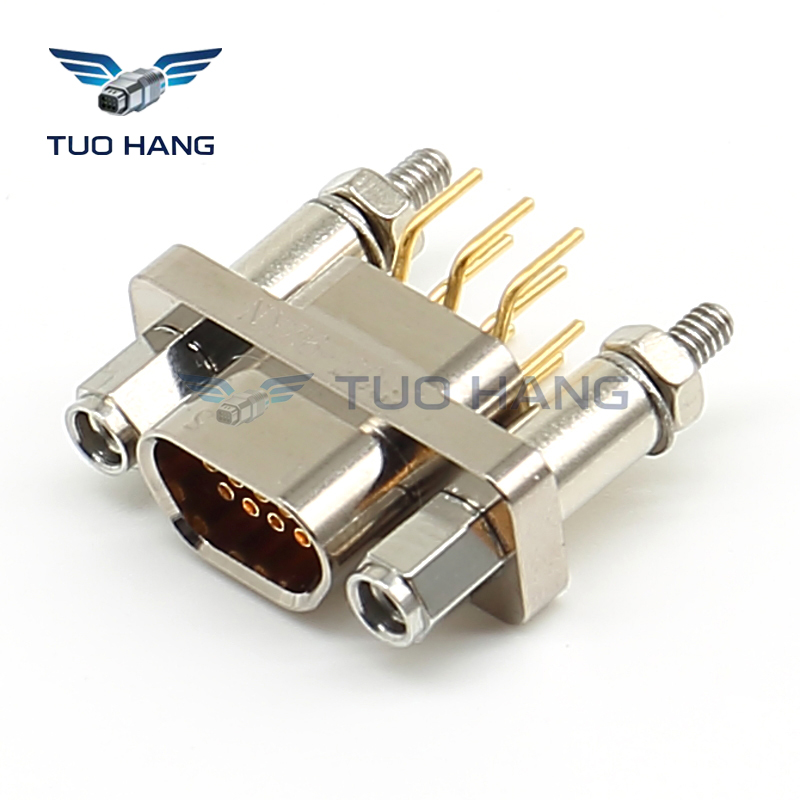
In aerospace and defense electronics, vibration is not just a nuisance—it is a critical design constraint. Whether it’s the high-frequency oscillation of an engine or the mechanical shock of a drone landing, vibration creates micro-displacements at the connector electricalinterface. Even a nanosecond of contact bounce can lead to catastrophic signal loss.
For engineers designing next-generation avionics, achieving signal integrity is a balancing act between density and durability. Here is how you can build a more resilient interconnection system.
1. The Physics of Contact Bounce
When a rectangular connector is subjected to vibration, the pins can experience "fretting" or brief separations from the socket. Even if the gap is only a few micrometers, the high-speed data signals used in modern avionics can be corrupted.
2. The Role of Shell Rigidity
The connector housing (shell) acts as the mechanical chassis for your signal paths. A flexible or thin-walled housing will vibrate along with the PCB, amplifying the mechanical stress on the terminals.
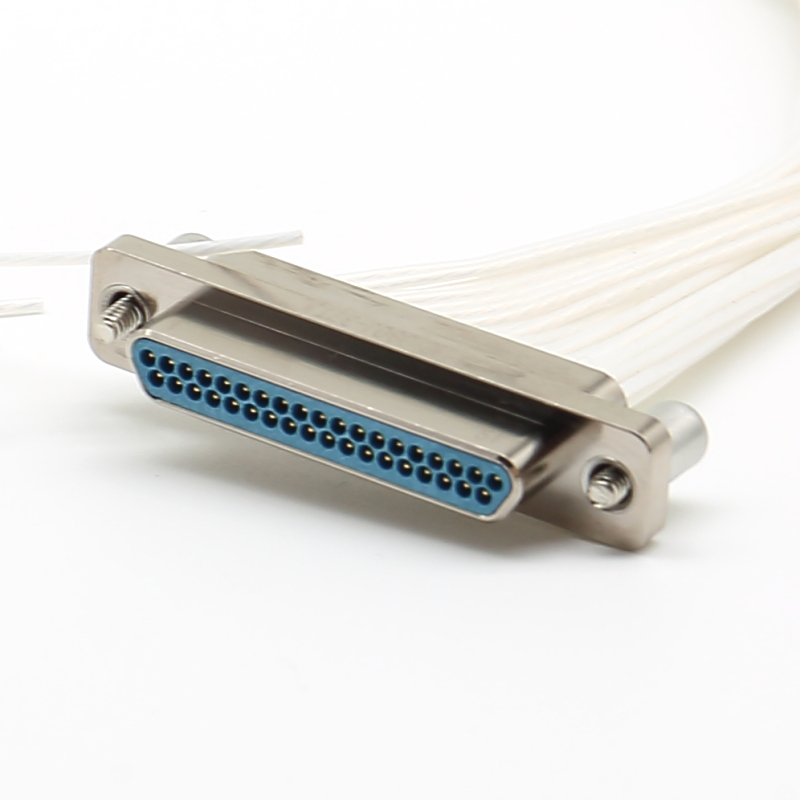
The Strategy: Our J30J series uses precision-machined, rigid metal shells. This rigidity creates a "mechanical anchor" for the contacts, effectively decoupling the terminal interface from the vibrations affecting the surrounding structure.
3. Material Selection and Thermal Expansion
Vibration often goes hand-in-hand with thermal cycling. Different materials expand at different rates, which can loosen the fit of your electrical connector over time.
4. Shielding Against EMI Induced by Vibration
Vibration can also lead to intermittent grounding issues, which dramatically increases Electromagnetic Interference (EMI).
Conclusion: Designing for the Mission
In an environment where failure is not an option, your choice of interconnect is the first line of defense. By focusing on shell rigidity, contact force, and material compatibility, you ensure that your data travels reliably from the sensor to the flight controller, no matter the conditions.
Are you facing signal stability issues in your current prototype?We specialize in ruggedized interconnects for extreme aerospace environments.
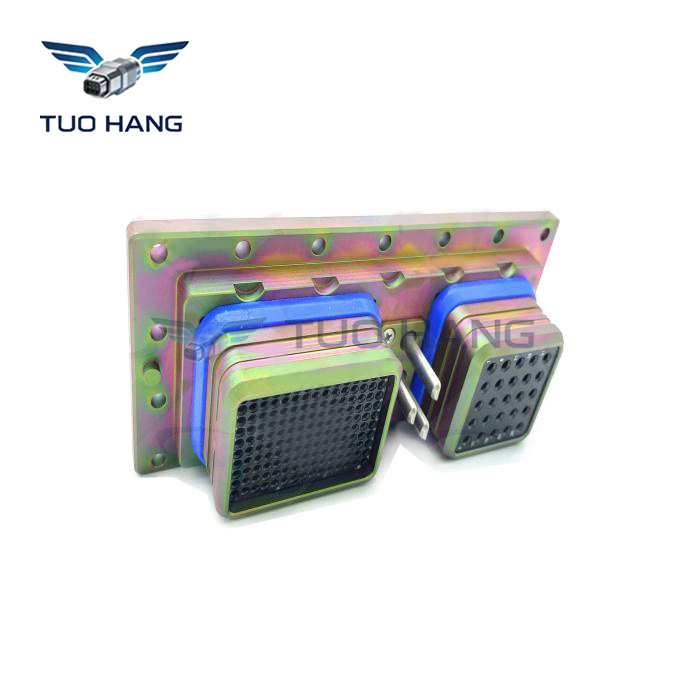
 Rectangular ConnectorJ30J-51TJL-A3 Rectangular Aviation Connector | Equivalent to MDM-51 Micro-D, High-Quality Amphenol Connector AlternativeJ30J-51TJL 51-Pin Micro-D Rectangular Connector | MIL-DTL-83513 Equivalent Aviation ConnectorsJ30J-37TJL 37-Pin Micro-D Rectangular Connector | MIL-DTL-83513 Equivalent Aviation Connectors