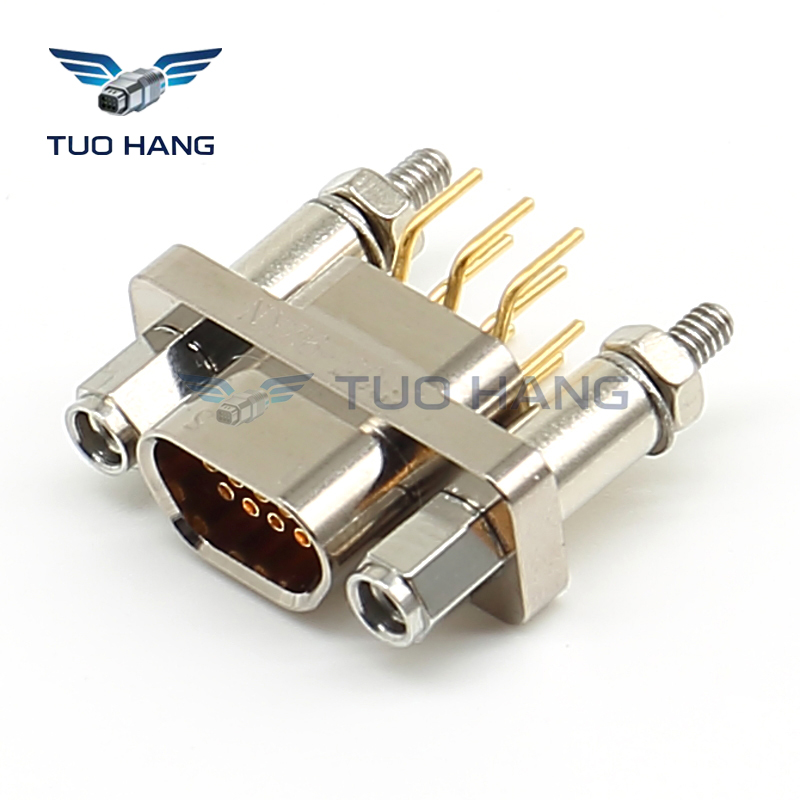
In the world of high-density aerospace interconnects, the Micro-D connector is a marvel of engineering—but it is also a component where a small selection error can lead to a massive project failure. At Tuohang Microelectronics, we often consult with engineering teams that encounter performance issues simply because of a mismatch in the initial design phase.
Whether you are designing for UAVs, defense electronics, or industrial robotics, here are the five common pitfalls to avoid when choosing your rectangular connector solution.
1. Ignoring the Mating Environment
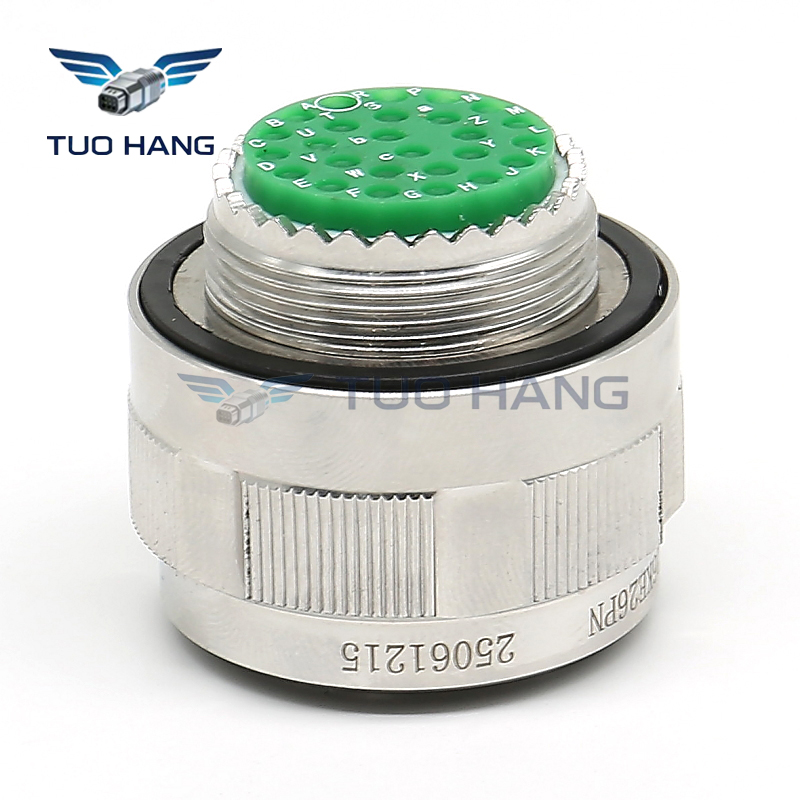
The most frequent mistake is choosing a connector based solely on desk-side lab performance. A high-density plug that works perfectly in a temperature-controlled lab may fail in a vibrating cockpit or near an engine.
2. Underestimating the Importance of Backshells
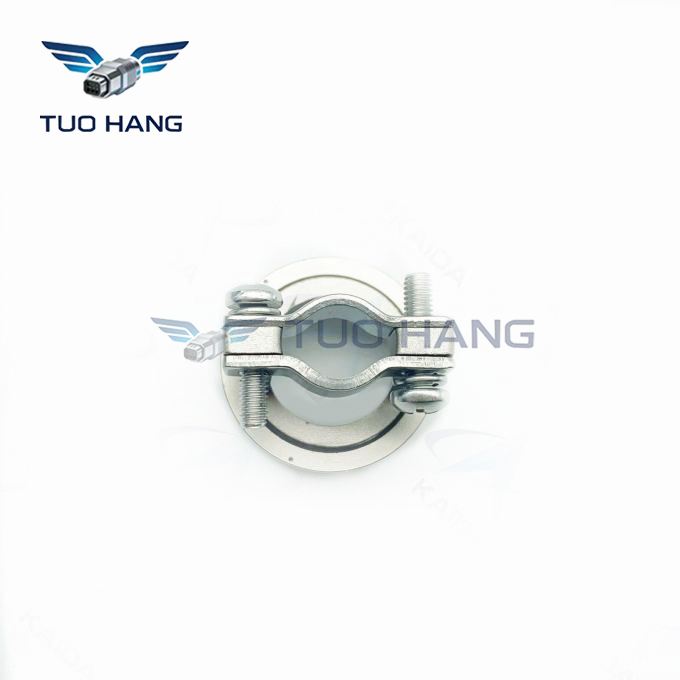
Many teams treat the backshell as an "add-on" accessory rather than an integral part of the connector electrical interface.
3. Overlooking Plating Compatibility
Mixing different metal finishes can lead to galvanic corrosion—a silent killer of signal integrity in aerospace connectors.
The Fix: Ensure your connector plating (e.g., Electroless Nickel vs. Cadmium) is compatible with the chassis material and the operating environment. When in doubt, lean towards standard nickel plating for high-vibration, high-corrosion environments.
4. Relying on "Generic" Equivalents
Not all amphenol connector alternatives are created equal. Some "off-the-shelf" solutions use lower-grade insulators that melt during high-temperature soldering or crack under repeated mating cycles.
5. Failing to Plan for "Blind-Mating"
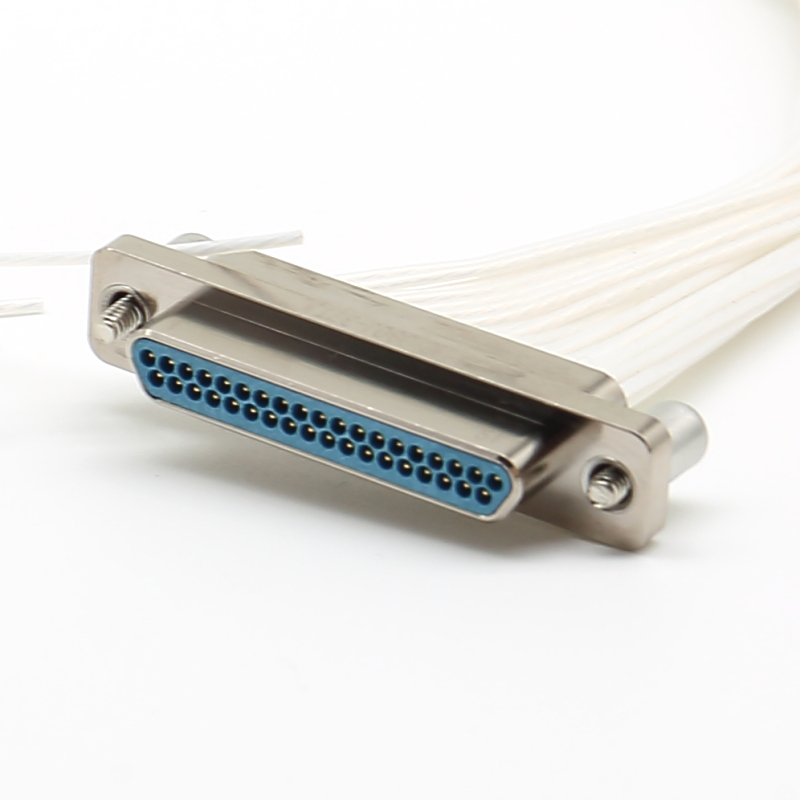
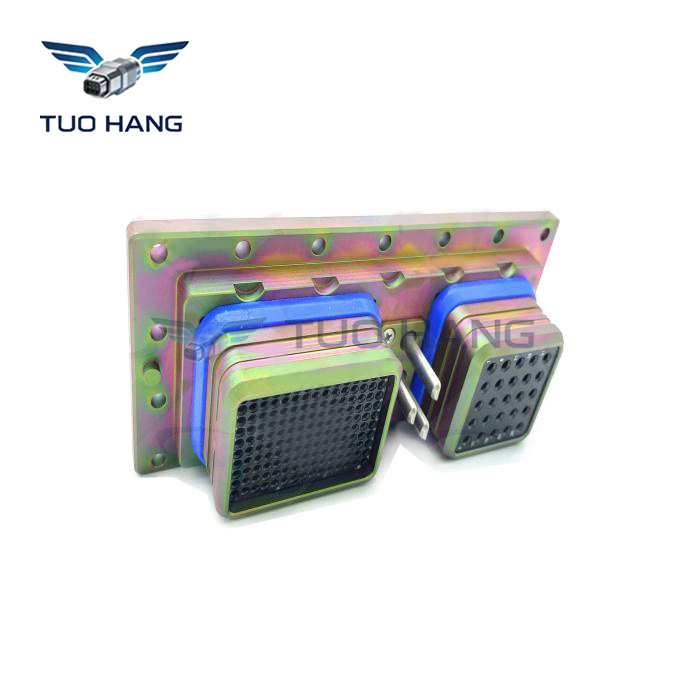
In modular UAVs and industrial rack systems, connectors are often mated without a clear line of sight. Using a standard rectangular connector without robust guide pins or misalignment tolerance is a recipe for bent contacts.
Conclusion: Professional Design Starts with Smart Selection
A high-reliability system isn’t just about buying expensive parts; it’s about choosing the right part for the mission. By avoiding these common pitfalls, you ensure that your J30J or 37TJL series integration remains seamless and mission-ready.
Are you unsure about your current connector specification?Don't gamble with your signal integrity. [Contact our engineering team today to review your current design and receive a professional validation of your selection.]
 Rectangular ConnectorJ30J-51TJL-A3 Rectangular Aviation Connector | Equivalent to MDM-51 Micro-D, High-Quality Amphenol Connector AlternativeJ30J-51TJL 51-Pin Micro-D Rectangular Connector | MIL-DTL-83513 Equivalent Aviation ConnectorsJ30J-37TJL 37-Pin Micro-D Rectangular Connector | MIL-DTL-83513 Equivalent Aviation Connectors