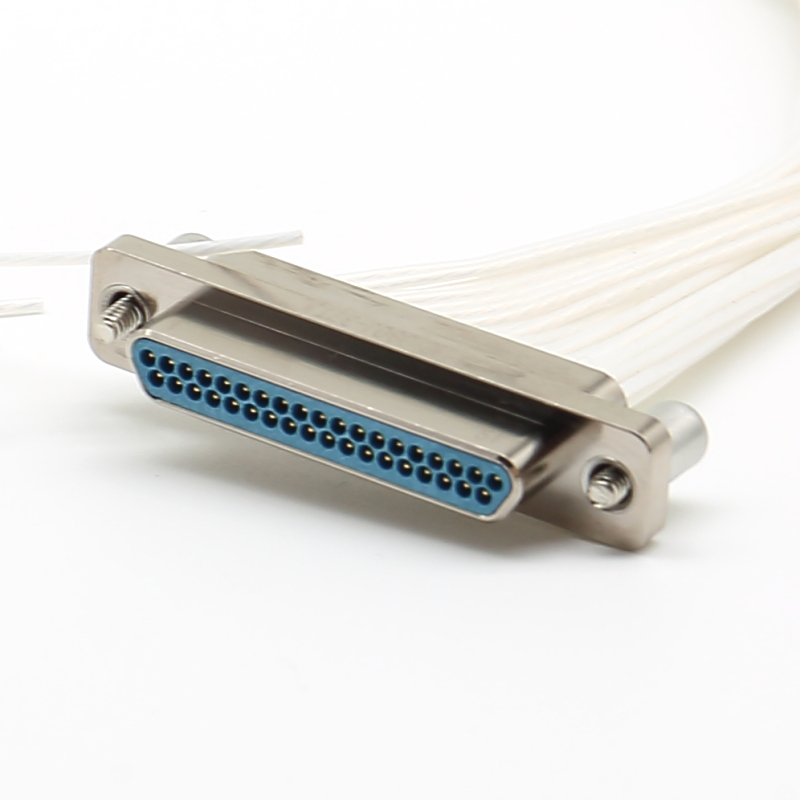
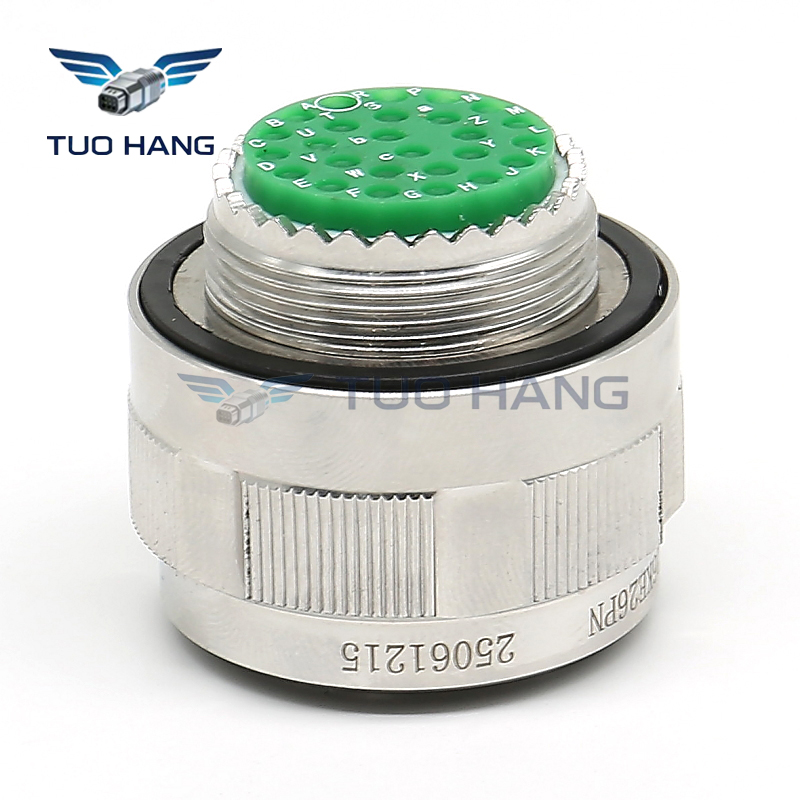
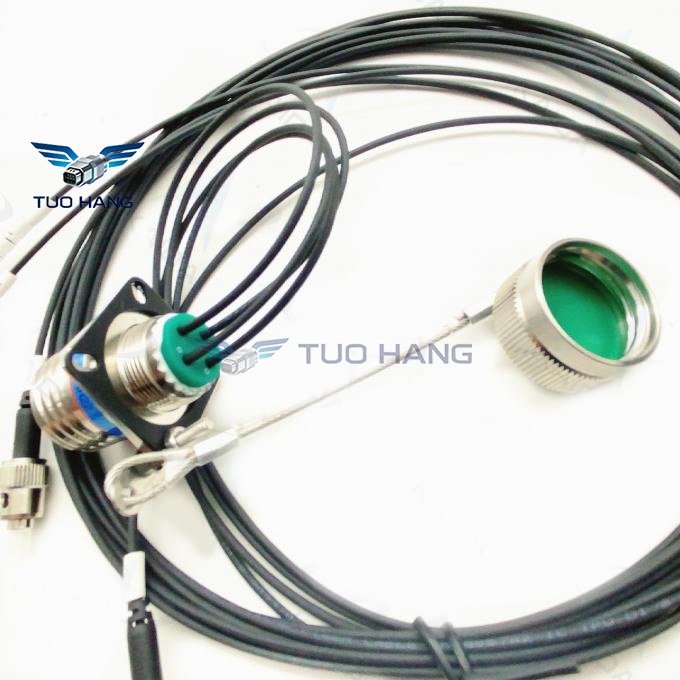
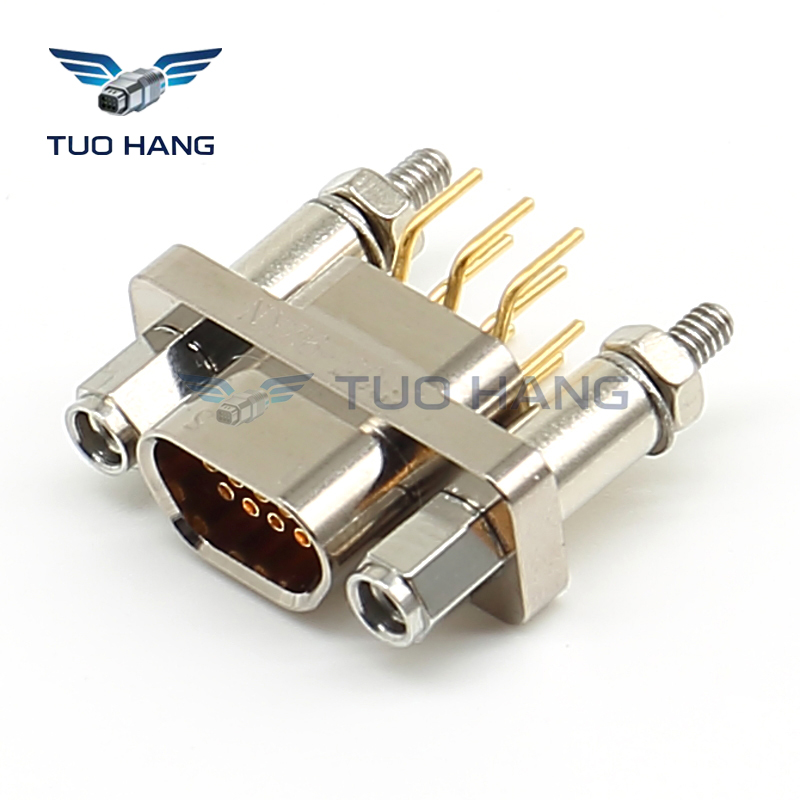
In high-performance aerospace, defense, and industrial applications, the Micro-D connector is the gold standard for high-density interconnects. However, the performance of a MIL-DTL-83513 compliant system is only as good as its weakest link—the termination.
Improperly terminated contacts are a leading cause of intermittent signal loss, increased contact resistance, and premature hardware failure under vibration. To ensure your aviation-grade connector performs to its full potential, here is the professional standard for high-reliability termination.
1. The Foundation: Proper Preparation
Before starting the termination process, ensure your workspace is ESD-protected and equipped with calibrated tooling.
Wire Selection: Always use wires that comply with the connector’s specified gauge (AWG) range. Using undersized or oversized wire will compromise the mechanical crimp and the integrity of the electrical connector seal.
Precision Stripping: Use a thermal wire stripper or a calibrated mechanical stripper to remove insulation. Nicking the conductor strands will significantly reduce the tensile strength of the connection and increase resistance.
2. Mastering the Crimp Process
For rectangular connectors of the Micro-D class, the crimp is the most critical mechanical step.
Tool Calibration: Use only the manufacturer-specified crimp tool. Ensure it has been calibrated within the last 12 months.
Visual Inspection: After crimping, inspect the "crimp barrel" to ensure all strands are captured and that the insulation is properly seated. A "bell-mouth" should be visible at the rear of the crimp to prevent wire breakage during thermal cycling or high-vibration events.
3. Contact Insertion and Retention
Once terminated, the contacts must be correctly inserted into the high-density plug housing.
The Insertion Tool: Never force a contact into the housing by hand. Use a dedicated insertion tool to ensure the contact "clicks" into its retention clip.
Retention Testing: After insertion, perform a light "tug test" on each wire. This ensures the contact is fully seated and locked. A loose contact in a chassis mount connector is a primary cause of system-level signal failure.
4. The Importance of Strain Relief
Even a perfectly terminated electrical connector will fail if the wiring harness is under constant mechanical tension.
Cable Routing: Ensure there is enough "service loop" (slack) in your wiring harness.
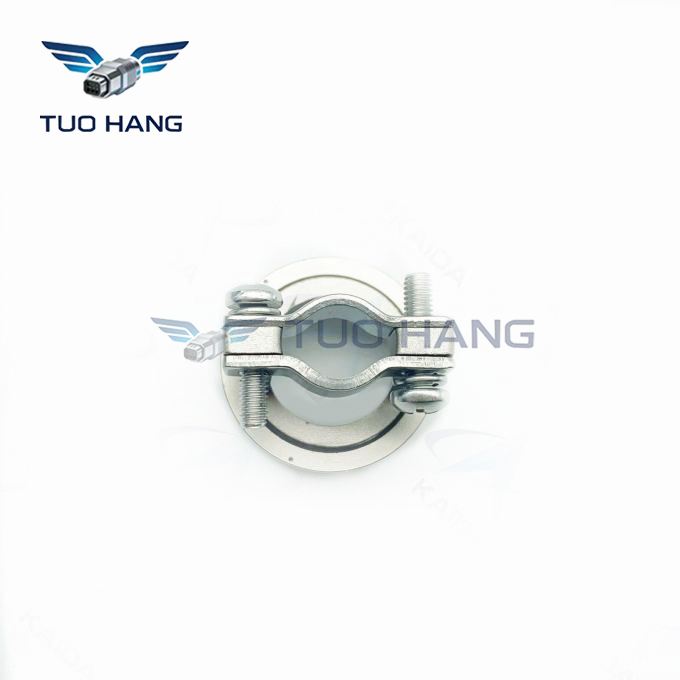
Backshell Selection: Use the correct backshell to provide robust strain relief. This ensures that any accidental pulling on the cable is absorbed by the connector shell rather than the individual contact terminations.
5. Post-Termination Validation
Before integrating the assembly into your aerospace connector suite, perform the following quality checks:
Continuity and Insulation Resistance: Use a digital multimeter or an automated cable tester to verify path continuity and dielectric integrity.
Visual Check for Debris: Ensure no wire strands or solder flux (if soldering) are present near the contact engagement area, as these can cause shorts.
Conclusion: Professional Interconnects Start with the Details
Proper termination is not just an assembly task; it is an engineering discipline. By adhering to these protocols, you transform a standard connector electrical component into a high-reliability interface capable of withstanding the rigors of flight and harsh industrial environments.
At Tuohang Microelectronics, we recognize that precision at the termination stage is what distinguishes a successful mission from a costly failure. Whether you are working with our J30J series or standard Micro-D solutions, our team is here to provide the technical documentation and support you need to ensure your wiring harnesses are built to last.
Need technical guidance on your specific wiring harness design? [Contact our engineering team for personalized support and termination best practices.]
 Rectangular ConnectorJ30J-51TJL-A3 Rectangular Aviation Connector | Equivalent to MDM-51 Micro-D, High-Quality Amphenol Connector AlternativeJ30J-51TJL 51-Pin Micro-D Rectangular Connector | MIL-DTL-83513 Equivalent Aviation ConnectorsJ30J-37TJL 37-Pin Micro-D Rectangular Connector | MIL-DTL-83513 Equivalent Aviation Connectors