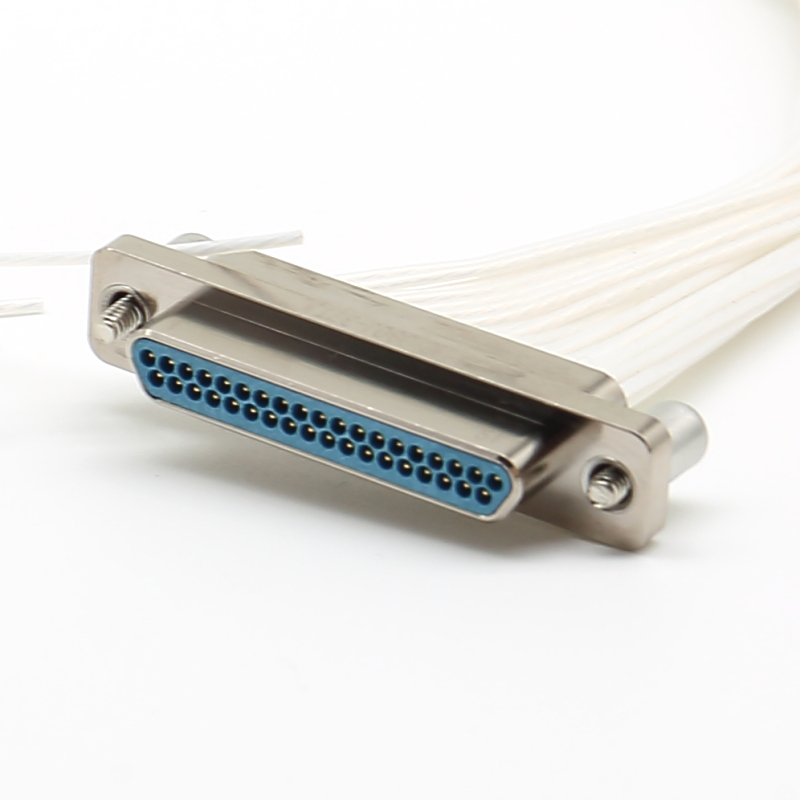
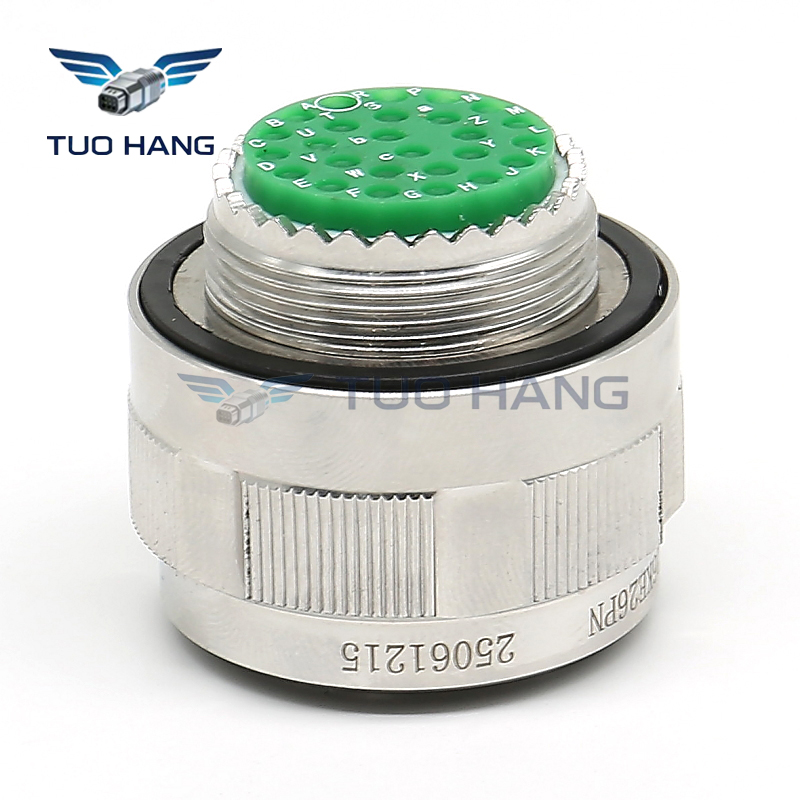
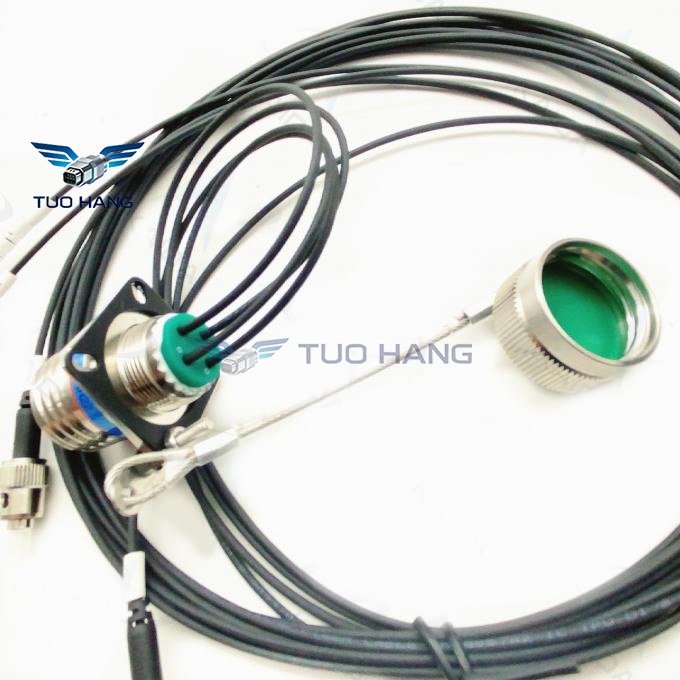
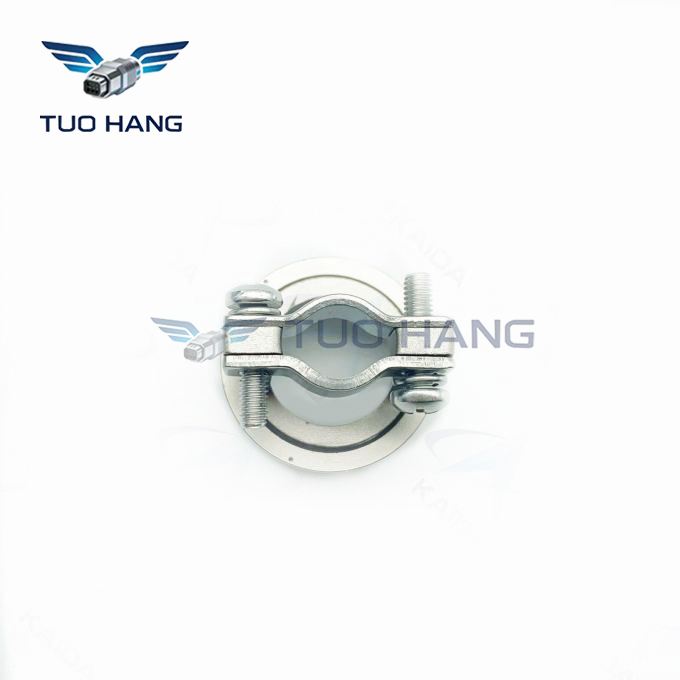
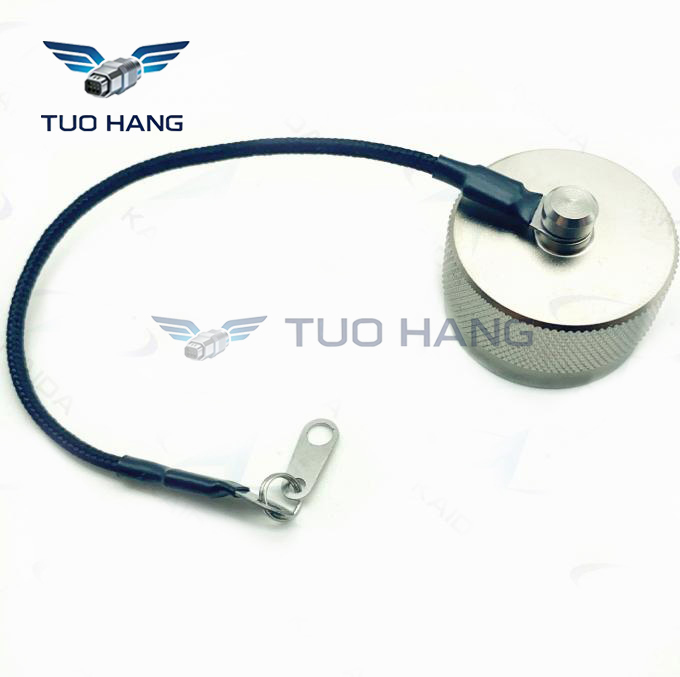
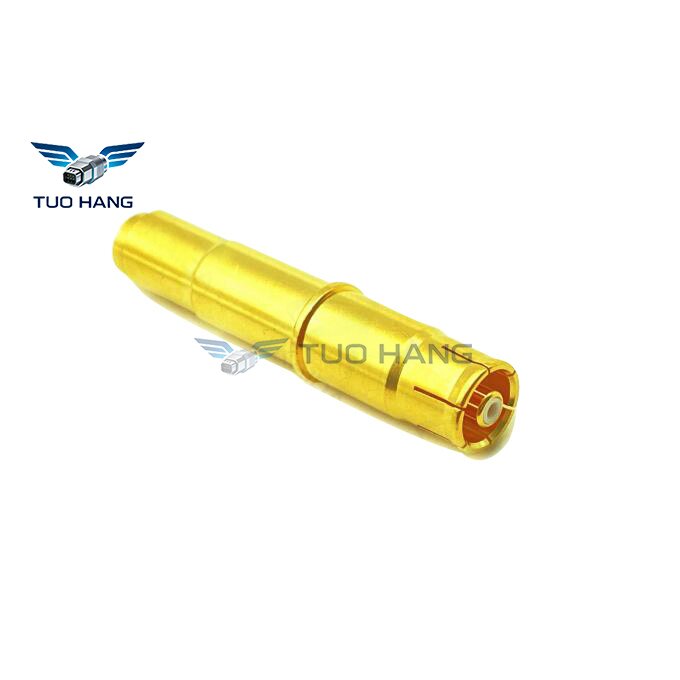
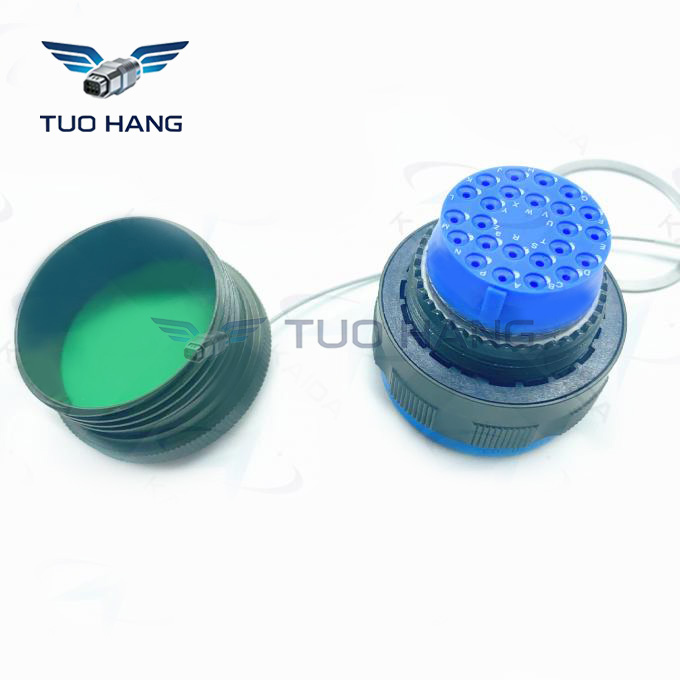
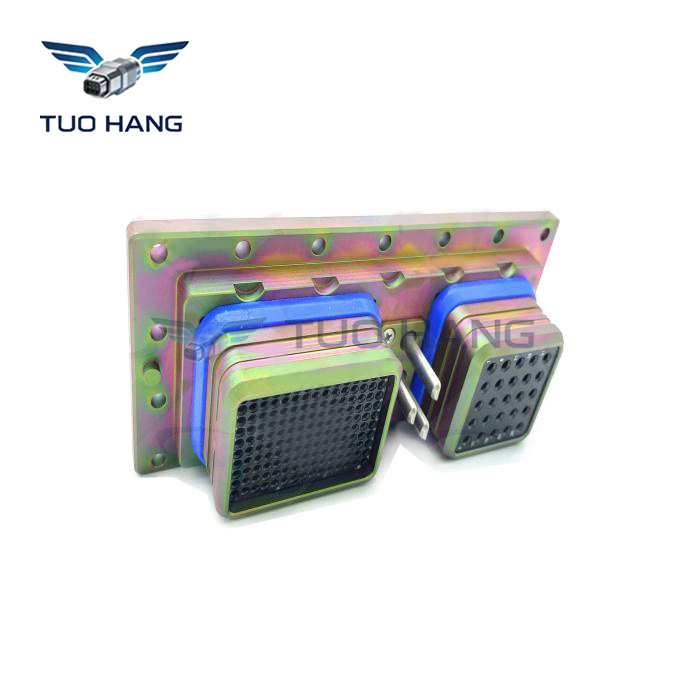
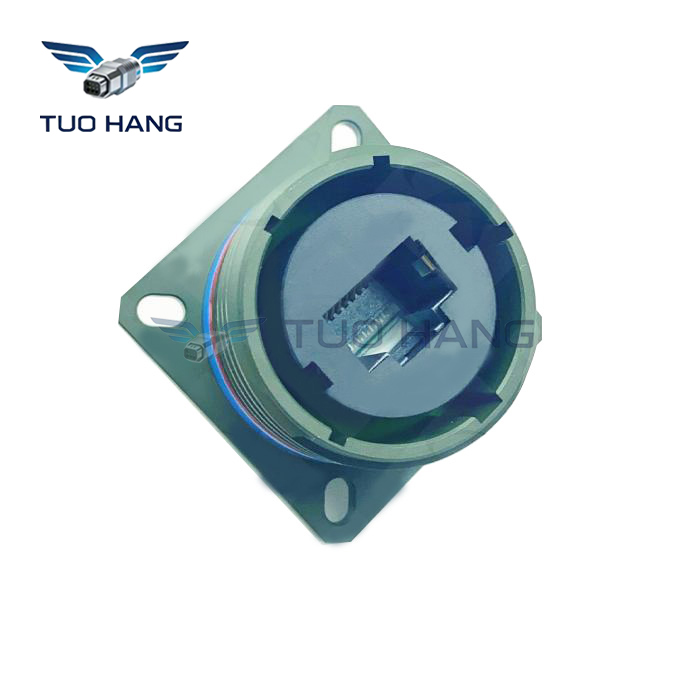
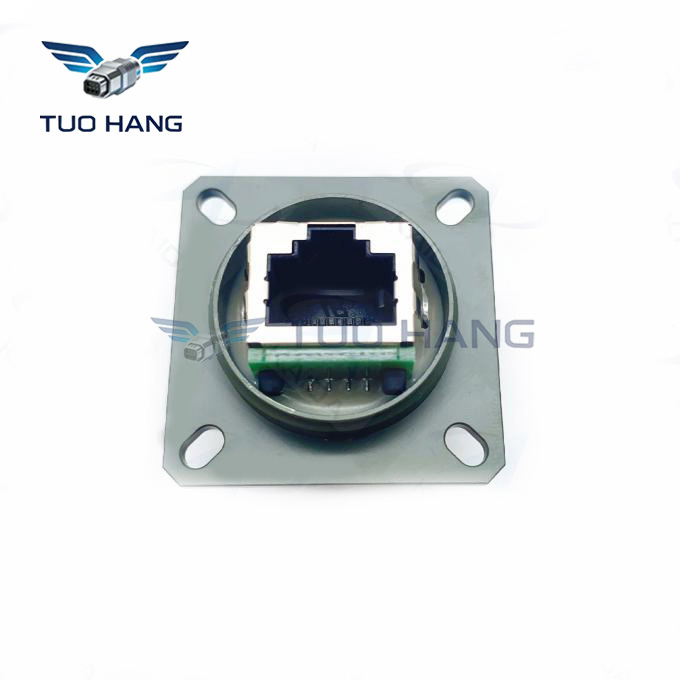
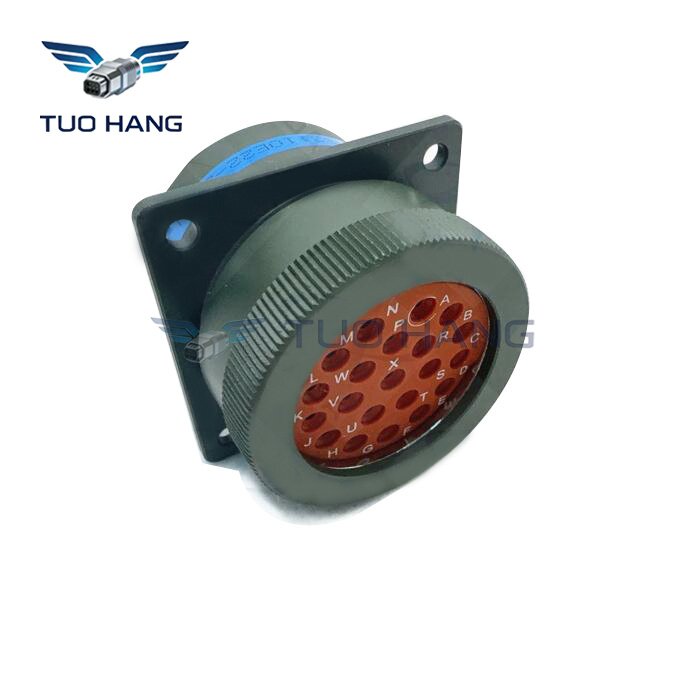
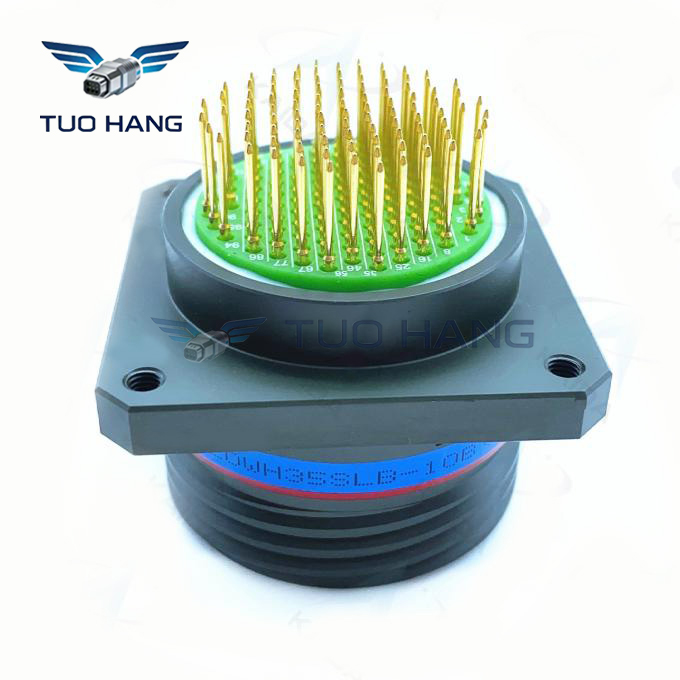
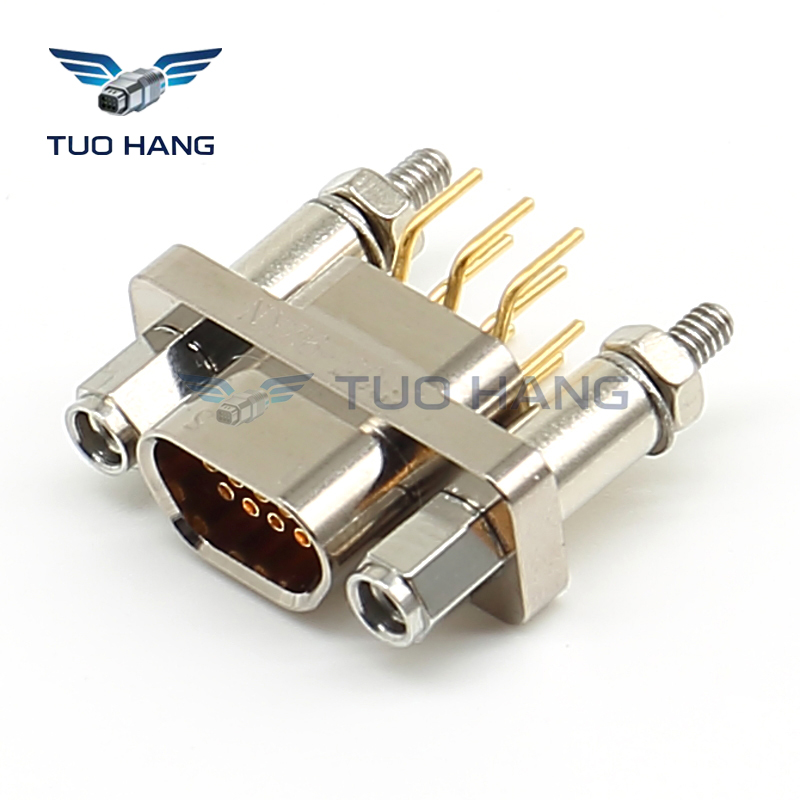
In the landscape of high-speed data transmission, the transition from electrical signals to optical signals has revolutionized how we manage bandwidth. While copper-based interconnects—such as the J30J or Micro-D series—remain essential for power and low-frequency signal management in aerospace and industrial hardware, fiber optic connectors have become the backbone of high-bandwidth, long-distance, and EMI-immune communication systems.
1. Why Fiber Optic Connectors Are Essential
Traditional electrical connectors, while robust, are susceptible to electromagnetic interference (EMI) and signal attenuation over long distances. Fiber optic connectors solve these issues by utilizing light to transmit data through glass or plastic strands.
Key advantages include:
Immunity to EMI: Unlike metallic contacts that can act as antennas, fiber optics are completely immune to electromagnetic and radio frequency interference. This makes them indispensable in environments with high-power motors or radar systems.
Massive Bandwidth: Fiber optics support data rates that far exceed the physical limits of traditional wire-based harnesses, making them ideal for high-definition video streaming, real-time sensor arrays, and massive data telemetry in UAVs and avionics.
Weight Reduction: Optical fibers are significantly lighter than copper wiring harnesses, providing a critical advantage for weight-sensitive applications like drone systems and satellite payloads.
2. The Precision of Fiber Interconnects
Unlike the metal-to-metal contact of a standard connector, fiber optic connectors rely on precise physical alignment. The core of a single-mode fiber is often less than 10 micrometers in diameter. Even a microscopic misalignment or a speck of dust at the interface can result in significant signal loss (insertion loss).
Ferrule Technology: Most modern connectors use ceramic ferrules to center the fiber cores with sub-micron precision.
Mating Integrity: Just as we emphasize the importance of shell rigidity in J30J rectangular connectors to prevent contact bounce, fiber connectors must maintain a stable physical contact to ensure that light propagates efficiently through the interface without reflection (return loss).
3. Applications in High-Reliability Environments
While fiber optics were once confined to telecommunications, they are now standard in mission-critical hardware:
UAV Payload Links: High-resolution cameras and LiDAR sensors generate data volumes that require optical links for real-time processing.
Avionics Backplanes: Modern aircraft utilize fiber-optic data buses to ensure secure, high-speed communication between navigation, engine control, and flight systems, free from the risks of crosstalk or signal interference.
Conclusion: A Hybrid Future
The future of high-reliability systems is not a binary choice between copper and fiber, but a hybrid integration. Engineers are increasingly designing systems that use high-density electrical connectors (like the J30J series) for power and low-speed control, while leveraging fiber optic connectors for high-speed data backbones.
As we push the boundaries of what unmanned systems and aerospace electronics can achieve, understanding the synergy between these two technologies is vital for building the next generation of mission-ready hardware.
Are you integrating fiber optics into your high-reliability harness design?Whether you need advice on ruggedized fiber interfaces or high-density electrical interconnects, our engineering team is here to support your technical requirements.
 Rectangular ConnectorJ30J-51TJL-A3 Rectangular Aviation Connector | Equivalent to MDM-51 Micro-D, High-Quality Amphenol Connector AlternativeJ30J-51TJL 51-Pin Micro-D Rectangular Connector | MIL-DTL-83513 Equivalent Aviation ConnectorsJ30J-37TJL 37-Pin Micro-D Rectangular Connector | MIL-DTL-83513 Equivalent Aviation Connectors